
Many people beginning their meditation journey ask themselves: “Am I doing this right?” “Am I sitting correctly?”
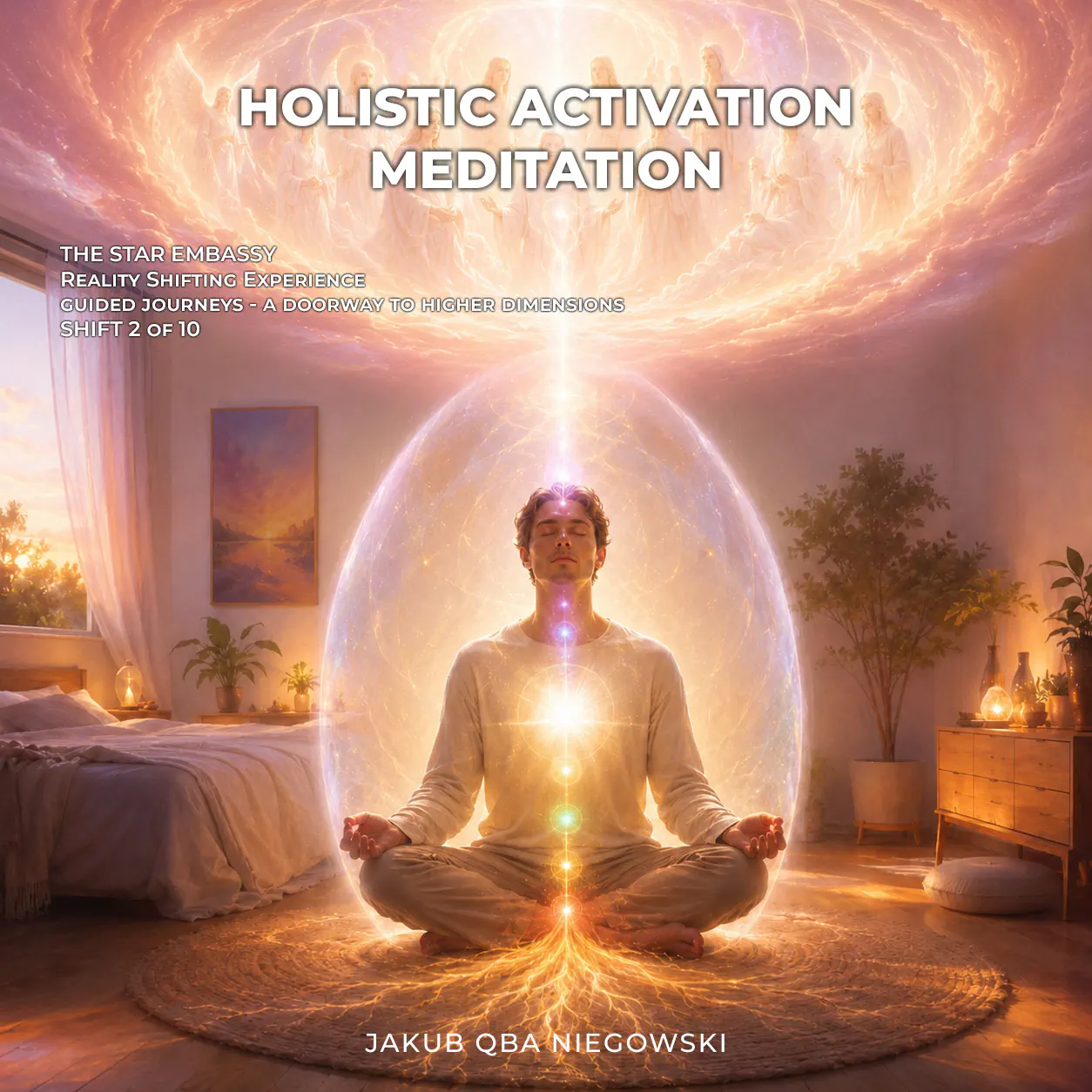
The popular image of a meditating person – planted in our minds by pop culture – shows someone in the so-called Lotus position, seated cross-legged. Pop culture has embedded this image so deeply in our consciousness that many people genuinely believe you have to sit in that position to meditate properly.
In reality, the Lotus position comes from yoga and is simply one element of that system of development – just one of many possible positions for meditation.
In fact, it is actively not recommended that people without proper physical preparation sit in the Lotus position to meditate. Yoga is a system of flexibility training that progressively prepares the body for greater challenges and expands its capabilities. For someone who practices yoga, this seated position poses no discomfort. For someone who doesn’t practice yoga – and especially someone who doesn’t stretch regularly – this position can be not only unpleasant but harmful, placing excessive strain on the joints and spine (especially for those with existing back problems).
Meditation Positions That Actually Work
So how should you position your body for meditation?
That depends partly on what you’re trying to achieve, what type of meditation you’re doing, and what it’s meant to accomplish.
Remember: meditation is a mental practice performed within your own mind. In that sense, body position is essentially irrelevant for many forms of meditation. You can even meditate while walking down the street – it requires the right divided attention, but it’s possible.
In practice, however, I most recommend positions that are physically comfortable while also allowing you to stay mentally alert.
The Lotus position does have one genuine advantage: for many people, assuming it is simply associated with meditation. This works in our favor because the mind automatically primes itself for a specific state.
On the other hand, if you lie down in the position you normally sleep in, your mind will tend to do exactly what it associates with that position – and you’ll quickly drift off.
The optimal meditation position is one where there’s no significant pressure on any part of the body (allowing blood to circulate freely) while still keeping you alert. This could be sitting in a comfortable armchair. It could also be lying on your back – provided that your normal sleeping position is on your side or stomach.
What matters is that you’re comfortable – but not in the position you sleep in.
Once you find that position, meditation can take place under optimal conditions. Your body gets the chance to relax and unwind, and stops demanding your attention. Your focused, alert mind can then carry out its meditative practice with full attention.
In my online Remote Viewing training programs, I lead a meditation before each RV session for advanced groups. Participants meditate seated at their computers in their chairs – and the results are excellent, preparing them beautifully for the start of the Remote Viewing practice.
Remember: the comfort of your body is the first step toward successful meditation. You can achieve it in many different positions. Simply sit or lie down comfortably in a way that keeps your attention engaged. This will allow you to quiet your mind quickly and focus more deeply on your practice.
Jakub Qba Niegowski – Extrasensory Awareness Development Specialist
To go deeper from home, try our guided meditation recordings.