
The best position for meditation is one in which your body is comfortable enough to stop demanding attention, and your mind stays alert and focused – not the one that looks impressive in a photo. You don’t need to sit in lotus. You don’t need a special cushion or mat. You need just one thing: a body at rest and a mind in readiness.
Why Does Everyone Think You Have to Sit in Lotus for Meditation?
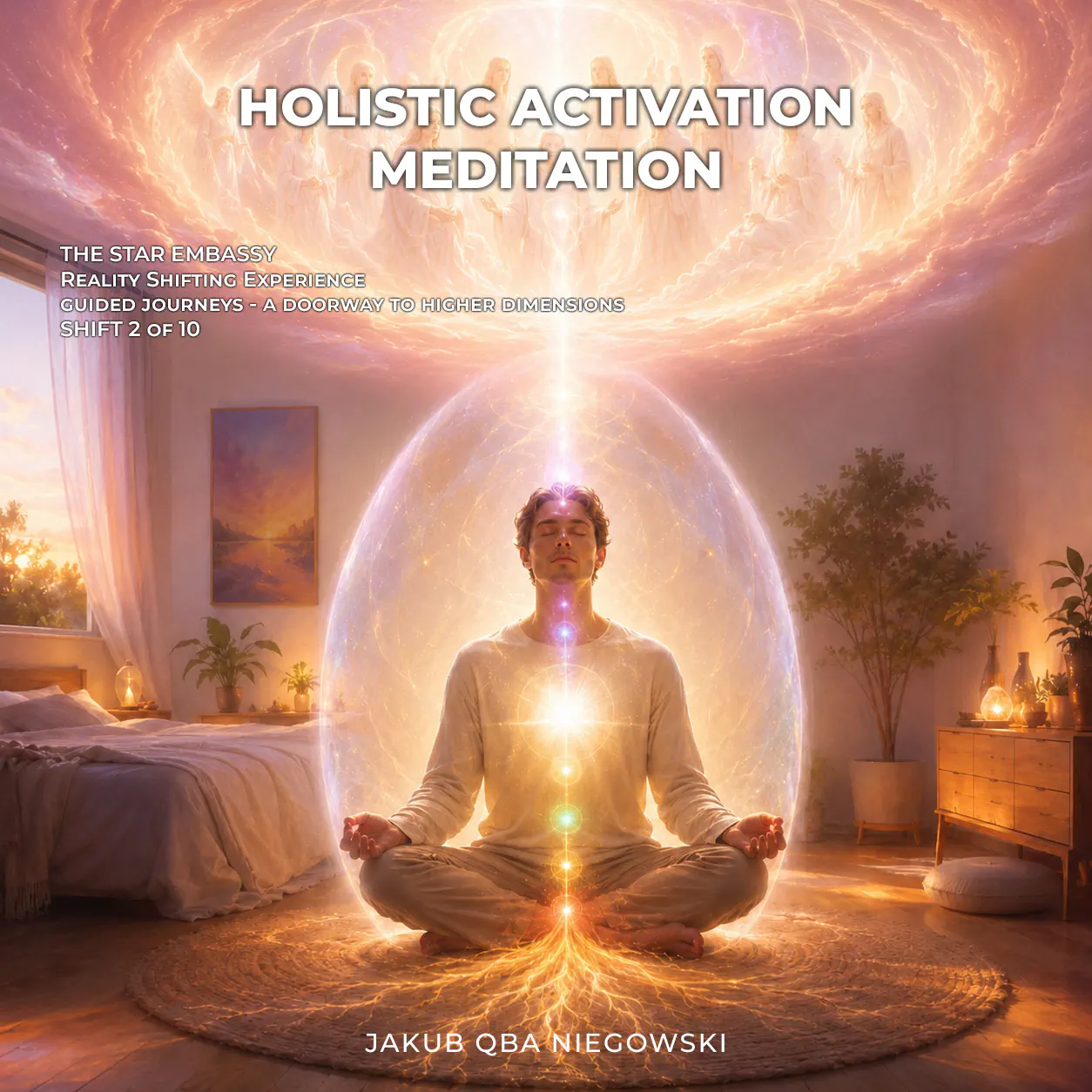
Pop culture has done us a serious disservice. Every film, every mindfulness course ad, and every stock photo shows a meditating person in full cross-legged pose – back straight, palms on knees, expression of someone who has just achieved enlightenment.
The result? Millions of people convinced that if they can’t sit this way, meditation isn’t for them.
This is one of the most damaging myths that has grown up around this practice.
The Lotus position comes from the yoga system – it’s an asana, a physical exercise that prepares the body for long sitting sessions. For someone who has been practicing yoga regularly for years, this position is natural and comfortable. For someone who doesn’t stretch regularly, it can be not only unpleasant but genuinely damaging to the knee joints and lumbar spine.
Sitting in lotus without proper preparation is a direct path to pain, not inner peace.
What Position Should You Meditate In? The Only Rule You Actually Need
Meditation is a mental practice. It happens in the mind – not in the shape your body takes.
This means the physical position fulfills only one condition: it must not interfere.
A body that hurts, goes numb, or is tense constantly sends signals to the mind. Any discomfort will pull you out of your practice and redirect your attention back to physical sensations. That’s why a good meditation position is one that: ensures free blood flow (no pressure on limbs), requires no active muscular effort to maintain, promotes alertness rather than drowsiness, and can be sustained for the entire duration of your practice.
That’s all. No additional requirements.
Chair or Floor – Which Should You Choose?
An armchair or chair is a fully legitimate meditation position. The traditional Eastern systems developed their sitting forms before chairs became part of daily life – that doesn’t mean a chair is inferior. It just means it’s newer.
Meditating in a chair works especially well when: you have back or knee problems; you’re just starting out and your body isn’t used to sitting on the floor for extended periods; you’re meditating during the workday, in an office, or in front of a computer.
From years of personal practice and observing dozens of people beginning to meditate, I know one thing: the chair position does not limit the depth of the meditative state in any way.
Can You Meditate Lying Down? A Pitfall Worth Knowing About
You can – but with one important caveat.
The mind is a master of association. If you’ve been falling asleep lying on your back in a dark room for years, your brain knows this script very well. The moment you lie down in a similar position and begin to relax your body, it will launch its familiar protocol: falling asleep.
This isn’t a flaw or weakness – it’s simply conditioning. That’s why meditating in a lying position requires significantly more mental discipline than meditating seated.
However, if your typical sleeping position is on your side or stomach, lying on your back may be a new, neutral body arrangement for you – one that won’t automatically trigger drowsiness. In that case, lying on your back can be a good option.
The key rule: don’t meditate in the position you normally sleep in.
Does Your Position Affect the Depth of Meditation?
Yes – but not in the way you might think.
Your position doesn’t determine the depth of the meditative state – it determines your conditions for entering that state. A comfortable, stable body position allows the mind to detach more quickly from physical sensations and focus on the practice.
It also works in the other direction. A specific position can become an anchor – a signal to the mind that meditation time is beginning. If you meditate in the same armchair every day for a month, your mind will gradually begin to shift into a focused state automatically whenever you sit in it.
This conditioning effect can be consciously used to deepen your practice.
It’s also worth knowing that meditation is possible while moving – during a walk, while cycling, or even standing in line. This requires a higher level of divided attention, but it’s fully achievable. A body in motion tends to be less prone to drowsiness than a body lying still.
Comparing the Most Popular Meditation Positions
| Position | Advantages | Watch Out For |
|---|---|---|
| Chair / Armchair | Accessible to everyone, no flexibility requirements, good for back problems | Choose a chair you don’t fall asleep in while watching TV |
| Cross-legged (Turkish sit) | Stable base, classic association with meditation | Can strain knees and hips without a warm-up |
| Seiza (Japanese kneeling) | Straight posture, low risk of falling asleep | May cause leg numbness during longer sessions |
| Lying on your back | Full muscle relaxation, good for back problems | High risk of falling asleep – especially for back sleepers |
| Standing / in motion | Possible anywhere, engages body awareness | Requires advanced divided attention |
The Body as an Environment for the Mind
In meditation practice, the body serves one function: it is the environment in which the mind works. A well-calibrated environment – comfortable, quiet, stable – allows you to focus attentional resources on what matters: inner observation.
I notice a clear pattern: people who spend the first weeks of practice fighting physical discomfort make significantly slower progress. Not because they’re less gifted – but because a portion of their cognitive resources is constantly occupied processing signals from the body.
When the body disappears from the field of attention – because it’s comfortable and calm – the mind gains the space it was looking for.
This is a subtle but fundamental difference in the quality of practice.
How to Find Your Position: A 3-Step Practical Test
Instead of searching for the “ideal position” based on descriptions you’ve read, run your own test:
Step 1 – Choose a candidate. Sit or lie down in a position that seems comfortable to you. Don’t evaluate it yet.
Step 2 – Wait 5 minutes. Close your eyes and breathe calmly. Observe what happens with your body. Does numbness appear? Tension? A strong urge to shift?
Step 3 – Assess alertness. After 5 minutes, do you feel relaxed but awake – or are you starting to drift? A good meditation position is the state between wakefulness and sleep, not on either side of that line.
If the position passes this test – it’s yours. Doesn’t matter whether it looks like the cover of a yoga book.
External Sources and Research
- American Mindfulness Research Association (goamra.org) – database of over 8,000 scientific publications on meditation and mindfulness.
- National Institutes of Health – NCCIH (nccih.nih.gov/health/meditation) – overview of research on meditation’s effects on physical and mental health.
- Kripalu Center for Yoga & Health (kripalu.org) – practical resources on meditation positions and adapting them to different physical needs.
FAQ – Common Questions About Meditation Position
Do I have to sit in lotus to meditate? No. The lotus position comes from yoga and is just one of many possible meditation positions. For people without proper movement preparation, it can be uncomfortable or even harmful to the joints. Any position that provides physical comfort and mental alertness is sufficient for effective meditation.
Can you meditate lying down? Yes, though it comes with the risk of falling asleep – especially if lying on your back is your normal sleeping position. If you choose a lying position, pick one you don’t normally sleep in and stay aware of the mind’s tendency to drift into napping.
Does the meditation position affect the depth of the meditative state? Indirectly, yes. The position itself doesn’t determine the depth of the state – but physical discomfort makes it harder to concentrate. The more comfortable and stable the body is, the fewer attentional resources are absorbed by physical signals, and the more remain for the practice itself.
How long should you stay in one position during meditation? For the entire duration of your session – without changing position, if possible. Shifting during meditation breaks the continuity of the focused state. That’s why it’s worth choosing a position you can maintain from start to finish.
Do you need a special cushion or mat for meditation? It’s not essential. A meditation cushion (zafu) can help maintain a straight spine during cross-legged sitting and relieve knee pressure – but a chair or armchair fulfills the same function without any additional accessories.
Jakub Qba Niegowski – Extrasensory Awareness Development Specialist
To experience this directly, explore our guided meditation recordings.